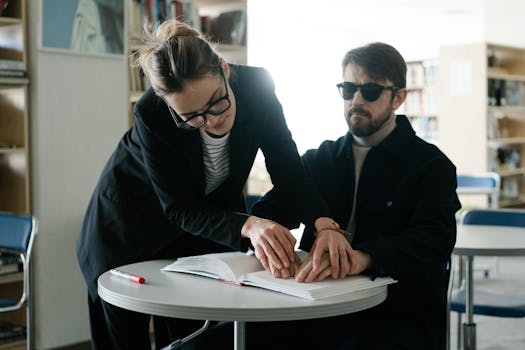
Imagine a classroom where every student, regardless of their learning style, background, or perceived abilities, feels not just present, but actively involved. Where diverse perspectives aren’t just tolerated but are the very engine of learning. This isn’t a utopian ideal; it’s the tangible outcome of thoughtfully using collaborative learning for inclusive classrooms. Too often, “group work” is seen as a simple pedagogical tool, an easy way to break up lectures. But when approached with intention and a deep understanding of inclusivity, collaborative learning becomes a powerful catalyst for equity, empathy, and enriched academic growth for all. It’s about creating a shared journey of discovery, where everyone’s contribution is valued and essential.
Why “Inclusivity” Needs More Than Just a Seat at the Table
In today’s educational landscape, the drive for inclusive classrooms is paramount. We recognize that students bring a kaleidoscope of experiences, strengths, and challenges into our learning environments. Simply ensuring physical presence isn’t enough. True inclusion means fostering an atmosphere where every learner feels seen, heard, and supported. This is where using collaborative learning for inclusive classrooms truly shines. It shifts the paradigm from individual competition or passive reception to active, interdependent participation.
When students work together towards a common goal, they naturally learn to navigate differences, communicate effectively, and appreciate varied approaches. This process inherently dismantles barriers that might isolate students with specific needs, whether those are related to learning disabilities, language differences, cultural backgrounds, or social anxieties. It creates natural opportunities for peer support and scaffolding, turning potential hurdles into shared problem-solving adventures.
Designing Collaboration for Every Learner’s Success
So, how do we move from abstract principles to practical application? It begins with intentional design. Simply assigning students to groups won’t automatically guarantee inclusivity. We need to think critically about how we structure these collaborative experiences.
#### Structuring for Success: Diverse Roles and Flexible Grouping
One of the most impactful strategies is to deliberately structure collaborative tasks to offer diverse roles. This allows students to contribute in ways that align with their strengths. For instance, in a research project, one student might excel at synthesizing information, another at visual representation, a third at leading discussions, and a fourth at meticulous fact-checking. When these varied contributions are explicitly recognized and valued, every student understands their unique and indispensable role.
Furthermore, flexible grouping strategies are key. Instead of static, long-term groups, consider:
Heterogeneous groups: Mixed ability levels, backgrounds, and learning styles to foster peer learning.
Homogeneous groups: For targeted skill development or differentiated instruction where students can work at a similar pace with tailored support.
Random grouping: To encourage students to interact with a wider range of peers.
Interest-based groups: Allowing students to collaborate on topics that genuinely engage them, boosting motivation.
The beauty of using collaborative learning for inclusive classrooms lies in this adaptability. It allows educators to meet students precisely where they are and guide them towards collective growth.
Fostering Essential Soft Skills Through Shared Effort
Beyond academic content, collaborative learning is a fertile ground for cultivating vital life skills. Think about it: when students have to negotiate ideas, resolve disagreements, and depend on each other, they’re building the foundations for healthy relationships and effective teamwork in all aspects of life.
Communication: Students learn to articulate their thoughts clearly, listen actively, and provide constructive feedback.
Problem-Solving: Facing challenges together requires creative thinking and a willingness to explore multiple solutions.
Empathy and Understanding: Interacting with diverse peers naturally builds empathy. Students begin to see the world through different lenses, fostering a deeper appreciation for varied experiences.
Conflict Resolution: Disagreements are inevitable, but collaborative structures provide a safe space to practice respectful conflict resolution.
These “soft skills” are often the most challenging to teach directly, yet using collaborative learning for inclusive classrooms provides an organic, hands-on approach that solidifies them. In my experience, students who have opportunities to collaborate frequently often demonstrate a greater sense of community and mutual respect within the classroom.
Addressing Potential Pitfalls: Proactive Strategies
While the benefits are immense, it’s also wise to acknowledge that collaborative learning isn’t without its potential challenges. Some students might dominate discussions, while others may hang back, hesitant to contribute. Students might also struggle with task interdependence or feel overwhelmed by the social dynamics.
To mitigate these issues, educators can implement proactive strategies:
- Clear Expectations and Norms: Establish explicit guidelines for respectful communication, active listening, and equitable participation from the outset.
- Scaffolding Complex Tasks: Break down larger collaborative projects into smaller, manageable steps with clear deliverables for each phase.
- Teacher as Facilitator: Observe groups actively, provide targeted support, and gently redirect as needed. Your role is less about lecturing and more about guiding and empowering.
- Building Trust and Psychological Safety: Create an environment where students feel safe to take risks, make mistakes, and express their ideas without fear of judgment.
- Providing Tools for Collaboration: Utilize digital tools that can support shared document editing, brainstorming, and communication, especially for students who might find verbal interaction challenging.
By anticipating these hurdles and equipping students with the necessary tools and support, we can ensure that using collaborative learning for inclusive classrooms truly serves its purpose for everyone.
Measuring Success: Beyond the Final Product
When assessing collaborative work, it’s crucial to look beyond just the final output. How do we measure the inclusive aspect of the learning?
Process Observation: Documenting how students interact, support each other, and manage their tasks provides invaluable insight.
Individual Contributions: Assess each student’s unique contribution to the group’s success, not just the group’s overall grade.
Self and Peer Assessment: Implement structured opportunities for students to reflect on their own participation and the contributions of their group members. This fosters metacognition and accountability.
Qualitative Feedback: Gather student reflections on their experience. What did they learn? How did they feel supported? What challenges did they overcome?
Focusing on the process and the development of each individual within the collaborative framework is essential for truly evaluating the effectiveness of using collaborative learning for inclusive classrooms.
Final Thoughts: Cultivating a Connected Community of Learners
Ultimately, using collaborative learning for inclusive classrooms is about more than just academic achievement; it’s about fostering a deeply connected community where every student feels valued, respected, and empowered to contribute their unique talents. It requires thoughtful planning, flexible execution, and a commitment to understanding and celebrating the diversity within our learning spaces. The next time you design an activity, ask yourself: how can this task be structured not just for group completion, but for individual growth and collective belonging? Start by identifying one small, actionable step you can take to make your next collaborative task even more inclusive.